


Blog
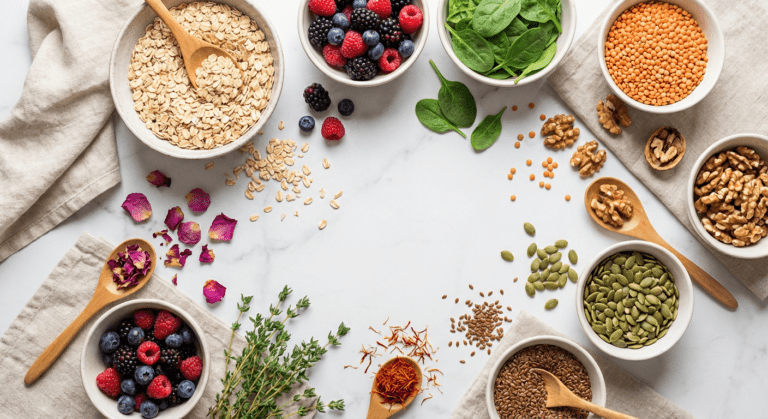
Superfoods are nutrient-dense foods, but they are not a scientific category or a magic fix. The term is commonly used for foods that offer a high concentration of beneficial nutrients or plant compounds relative to their calorie content. In practice, that usually means foods like berries, leafy greens, legumes, nuts, seeds, herbs, and certain dried botanicals can all be part of a balanced, nutrient-dense diet.
The key point is simple: superfoods are helpful, not miraculous. No single ingredient can make up for an unbalanced diet, poor sleep, or daily stress. But the right foods can help contribute to a more varied, practical, and sustainable way of eating.
For beginners, the best way to think about superfoods is not as a trend, but as a useful shortcut for identifying foods that can add more nutritional value to everyday meals.
Quick Takeaways
- “Superfood” is a non-scientific term. It is mostly used in consumer and editorial language.
- Nutrient density matters more than hype. Foods that offer more vitamins, minerals, fiber, or beneficial plant compounds can be worth including regularly.
- No single food is a cure-all. Variety matters more than any one ingredient.
- Everyday foods count. Beans, oats, nuts, seeds, berries, and greens can be just as relevant as specialty ingredients.
- Quality and origin matter. Sourcing, handling, and certifications can affect consistency, safety, and overall ingredient value.
What are superfoods, really?
If you are asking what are superfoods, the most practical answer is this: they are foods people often describe as especially rich in nutrients or beneficial natural compounds.
That said, nutrition professionals usually focus on nutrient density rather than the word “superfood.” A nutrient-dense food gives you more nutritional value for the calories it contains. For example, lentils, walnuts, blueberries, pumpkin seeds, and spinach all offer more useful nutrition than many highly processed snack foods.
This is why the term remains popular, even if it is not scientific. It gives people a simple way to talk about foods that can help improve the overall quality of a diet.
Why nutrient density matters more than marketing
The most useful part of the superfood conversation is not the label itself. It is the idea behind it.
A nutrient-dense diet focuses on foods that bring more to the table: fiber, vitamins, minerals, healthy fats, or naturally occurring plant compounds. This does not mean every meal has to be perfect. It means building meals around ingredients that can help contribute to better balance over time.
For example:
- oats and chia seeds can add fiber to breakfast
- lentils and beans can add plant-based protein and minerals
- nuts and seeds can add healthy fats and texture
- herbs and spices can add flavor without relying on excess salt or sugar
- berries and leafy greens can help increase variety and color on the plate
This is also where trends like fiber-maxxing come from. The idea may sound modern, but the basic principle is familiar: eating more fiber-rich whole foods is often a smart move for overall diet quality.
What superfoods are NOT
It is just as important to understand what superfoods are not.
They are not a medical solution
Superfoods are foods, not treatments. They can be part of a healthy lifestyle, but they should not be described as curing, preventing, or treating disease.
They are not limited to exotic ingredients
Many articles focus only on imported powders or expensive blends. In reality, some of the most useful superfoods are simple pantry staples like oats, lentils, flaxseeds, walnuts, and cabbage.
They do not have to be expensive
A practical superfood routine can be built from affordable basics. Specialty ingredients can add interest and variety, but they do not need to replace accessible everyday foods.
Whole foods, Dried botanicals, Powders, Seeds, and Specialty ingredients
One reason the term “superfood” gets confusing is that it covers several very different types of products. It helps to separate them clearly.
- Whole foods
These are everyday foods in their more familiar form, such as berries, spinach, beans, broccoli, oats, or avocados. They are often the foundation of a nutrient-dense diet.
- Dried botanicals
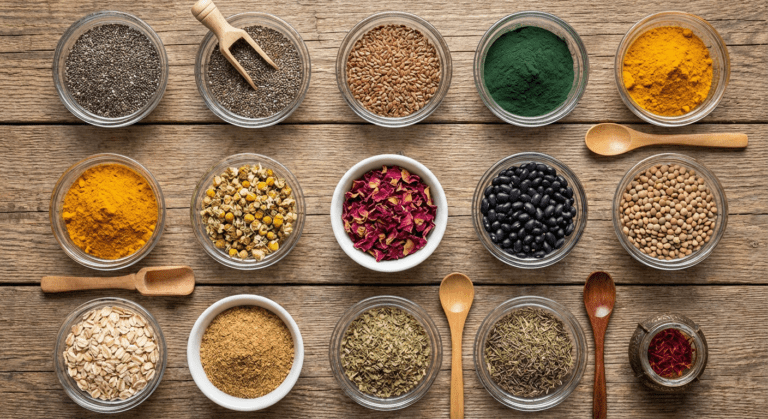
This includes ingredients like hibiscus, rose petals, mallow, and other edible flowers or herbs. They are often used in teas, infusions, cooking, and traditional food culture. Their value is not just nutritional, but also sensory and culinary.
- Powders
Powders can be convenient, but quality varies widely. Some are simply dried and milled foods, while others are heavily marketed without much practical benefit for most people. Beginners do not need to start here.
- Seeds and nuts
Chia seeds, flaxseeds, pumpkin seeds, basil seeds, almonds, and walnuts are among the most versatile nutrient-dense ingredients. They are easy to add to meals and often more approachable than trend-driven products.
- Specialty ingredients
Saffron is a good example. It is used in small amounts, but it brings unique aroma, color, culinary heritage, and value. In the right context, specialty ingredients can enrich a diet and create more enjoyable meals, even if they are not everyday staples.
Everyday and Traditional examples of Superfoods
A grounded approach to superfoods includes both local staples and traditional ingredients from other food cultures.
Accessible everyday examples
- oats
- lentils
- chickpeas
- spinach
- cabbage
- berries
- walnuts
- flaxseeds
- pumpkin seeds
- yogurt
These are often overlooked in favor of trendier foods, but they are some of the easiest ways to improve everyday meals.
Traditional and specialty ingredients
At Blumental Bayern, we work closely with ingredients that sit at the intersection of traditional agricultural knowledge and modern quality standards. Examples include:
- saffron, especially high-grade types such as Super Negin
- Sumac, often used for grill as an spice
- rose petals, used in teas, desserts, and traditional recipes
- mallow, appreciated in herbal and culinary applications
- herbs and spices that add depth and variety to food
- nuts and seeds sourced for consistency and traceability
- Berries like Barberry rich in vitamins and antioxidants
These ingredients are part of long food traditions, especially across the Middle East, where cultivation methods, harvesting knowledge, and ingredient use have been refined over generations.
Why Quality, Origin and Handling Matter
Two products can look similar on paper and still differ significantly in quality.
That is why sourcing matters. Soil, climate, harvest timing, drying methods, storage conditions, and transport all affect how an ingredient arrives in your kitchen or production line. This is especially true for dried herbs, edible flowers, spices, nuts, and seeds.
For businesses and informed consumers alike, quality is not only about appearance. It is also about traceability, safety, and consistency. Standards such as EU-Bio, ISO 9001, and HACCP matter because they help create confidence around how ingredients are sourced, handled, and monitored.
Fresh vs Dried Superfoods
Both fresh and dried ingredients can have a place in a balanced diet. The right choice depends on use, convenience, and quality.
Type | Best for | Main consideration |
Fresh foods | Salads, snacks, smoothies, everyday meals | More perishable |
Dried botanicals and spices | Teas, infusions, cooking, long shelf life | Quality depends on drying and storage |
Powders | Convenience and quick mixing | Can be overpriced or overhyped |
Seeds and nuts | Toppings, snacks, baking, meal-building | Best stored carefully for freshness |
A useful rule of thumb: fresh foods often build the base of a meal, while dried ingredients and seeds add depth, convenience, and variety
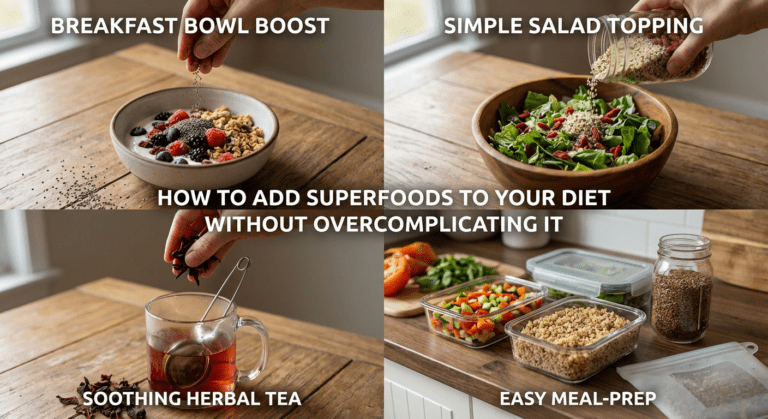
How to Add Superfoods to your Diet without overcomplicating it
The easiest way to start is to use ingredients you already know, then add one or two new options over time.
Start with breakfast
- add flaxseed or chia to porridge or yogurt
- top oats with berries and walnuts
- stir seeds into overnight oats
Upgrade simple lunches
- add chickpeas or lentils to salads
- sprinkle pumpkin seeds over soups
- use herbs and spices to improve basic grain bowls
Use botanicals in easy ways
- steep hibiscus for a refreshing infusion
- add rose petals to tea blends or desserts
- use saffron in rice, soups, or warm milk-based recipes
Keep it sustainable
Not everyone needs imported powders or a long supplement routine. For many people, a mix of local superfoods and carefully sourced specialty ingredients is more realistic, affordable, and enjoyable.
This is especially relevant for busy professionals looking into topics like nootropic nutrition or functional foods. Often, the most effective strategy is not chasing a miracle ingredient, but improving meal quality one practical habit at a time.
Are Local Superfoods Better?
Not always, but they are often a smart place to start.
Local superfoods can be fresher, more affordable, and easier to use regularly. Seasonal berries, cabbage, oats, apples, and legumes are excellent examples. At the same time, traditional ingredients from other regions can still be valuable when they are sourced responsibly and used meaningfully.
The better question is not “local or exotic?” but rather: Is this ingredient useful, high-quality, and realistic for my routine?
FAQ
No. “Superfood” is not a formal scientific category. It is a common consumer term for foods that are seen as especially nutrient-dense.
No. Most people can build a strong foundation with affordable whole foods like oats, beans, seeds, nuts, greens, and berries.
Not necessarily. Some people are curious about adaptogens for beginners, but they are not essential for building a healthy diet. Starting with simple, familiar foods is usually more practical.
a pediatrician before introducing new supplements to children.
They serve different purposes. Fresh foods often provide meal volume and everyday nutrition, while dried herbs, flowers, and spices add variety, flavor, and culinary tradition. Both can fit into a balanced diet.
Certifications and quality systems such as EU-Bio, ISO 9001, ISO 22000, and HACCP can help signal that ingredients are handled with greater care, traceability, and consistency.
Final Thoughts
Superfoods are best understood as nutrient-dense foods that can help improve the quality of your diet, not as miracle ingredients. The most sustainable approach is to combine everyday basics with carefully chosen specialty ingredients, focusing on variety, quality, and realistic habits.
For some people, that may mean more oats, lentils, berries, and seeds. For others, it may also include saffron, hibiscus, rose petals, herbs, and premium spices rooted in long agricultural traditions.
If you would like to explore ingredients that fit this approach, browse our Superfoods category page for carefully sourced botanicals, seeds, nuts, and specialty foods selected with traceability, quality, and practical use in mind.
Blumental Bayern’s role is to act as a premium bridge between trusted agricultural partners in the Middle East and strict European quality expectations. That means combining first-hand sourcing relationships with structured food safety and quality processes. Where relevant, this also supports a more responsible supply chain, including initiatives such as the company’s Shoes for Children program in rural sourcing regions.